바로가기 메뉴
본문 바로가기
푸터 바로가기
서울대학교
회원가입
로그인
Korean
English
Korean
Korean
English
CES@SNU
Crop, Environment, and Sustainability Laboratory
Home
Research
Members
Publication
News
Recent News
2025
2024
2023
2022
Join us
사이트맵
검색어를 입력해주세요.
TOP
Research
Home
Research
Home
Research
Digital Phenotyping and Remote Sensing
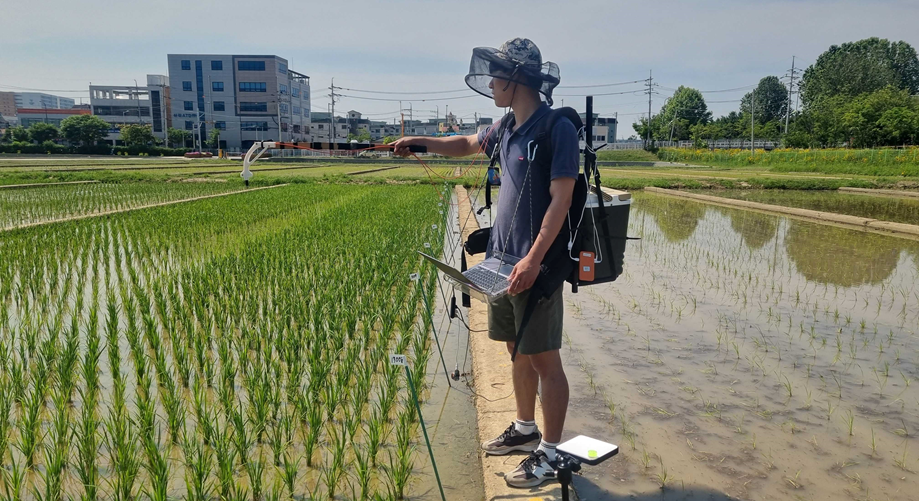
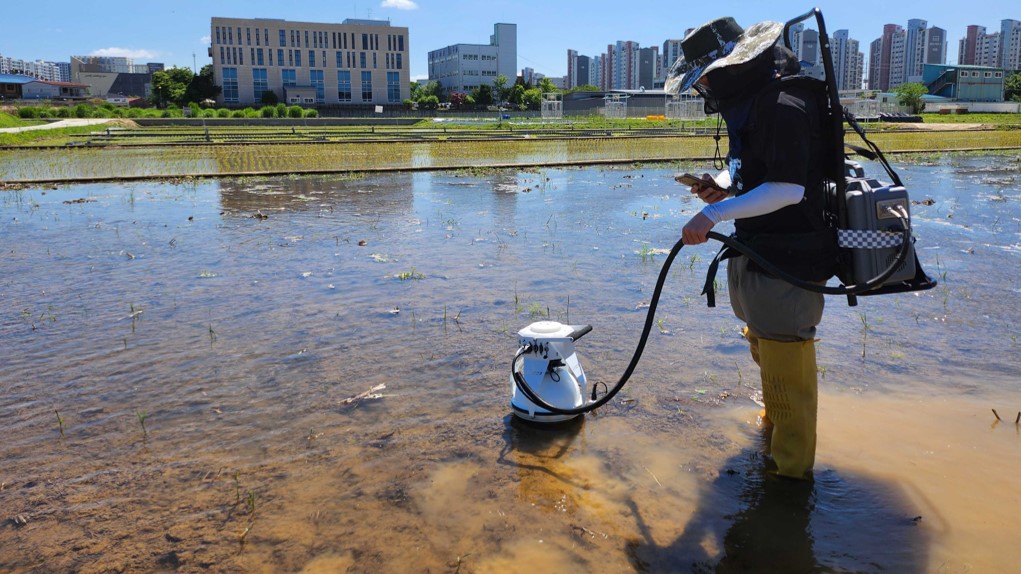
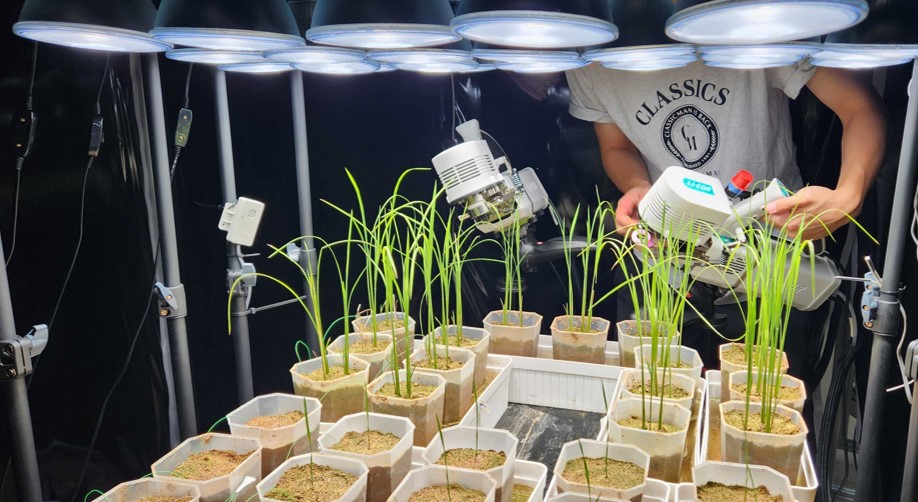
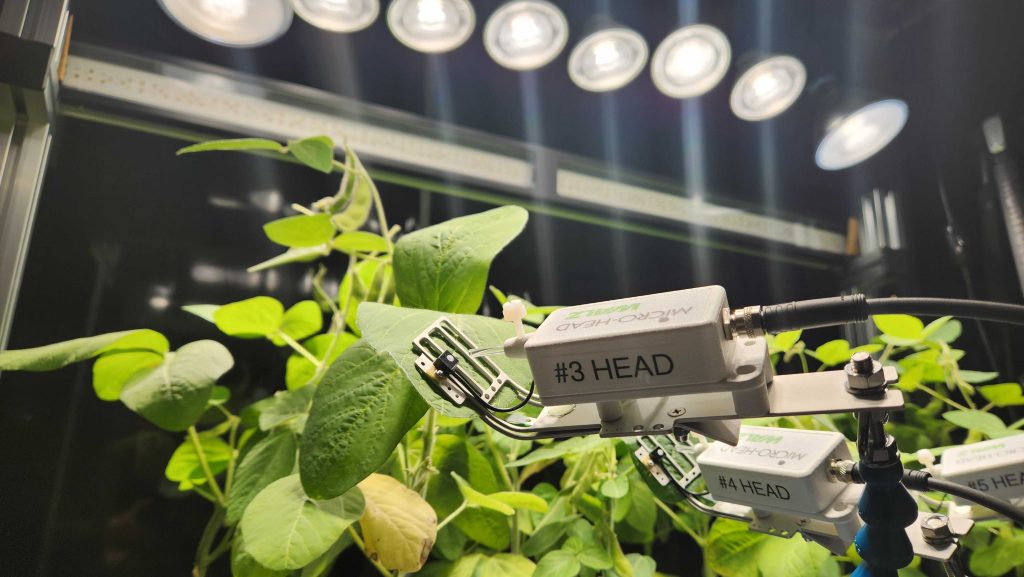
– Quantifying crop photosynthesis and physiological status using sun-induced chlorophyll fluorescence (SIF), hyperspectral reflectance, and NIRv.
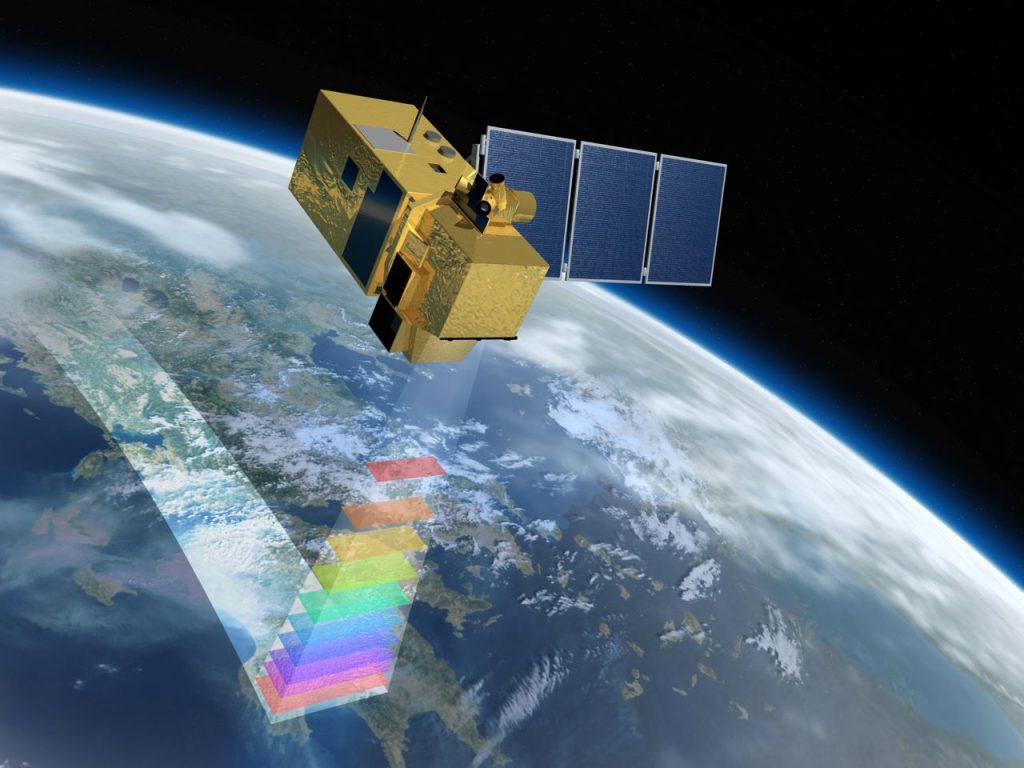
– Monitoring LAI, chlorophyll content, crop growth, and stress through integrated satellite, drone, ground-sensor, and high-resolution time-series data.
– Developing early detection methods for heat, drought, disease, and canopy-structure changes in rice, soybean, and maize.
– Assessing fine-scale crop physiological dynamics related to plant competition, planting density, and leaf-angle distribution.
Nature-based Climate Solutions (NbCS) and Low-Carbon Agriculture
–
Evaluating carbon uptake and carbon–water–energy cycling in agroecosystems through crop and ecosystem photosynthesis/GPP observations.
– Investigating crop responses and yield-loss mechanisms under heat, drought, ozone, and other climate-related stresses.
– Applying climate-adaptive crop models to assess productivity and adaptation strategies under future climate scenarios.
– Improving sustainable irrigation and water-use efficiency to reduce resource inputs and climate risks in agriculture.
Crop Production and Management
–
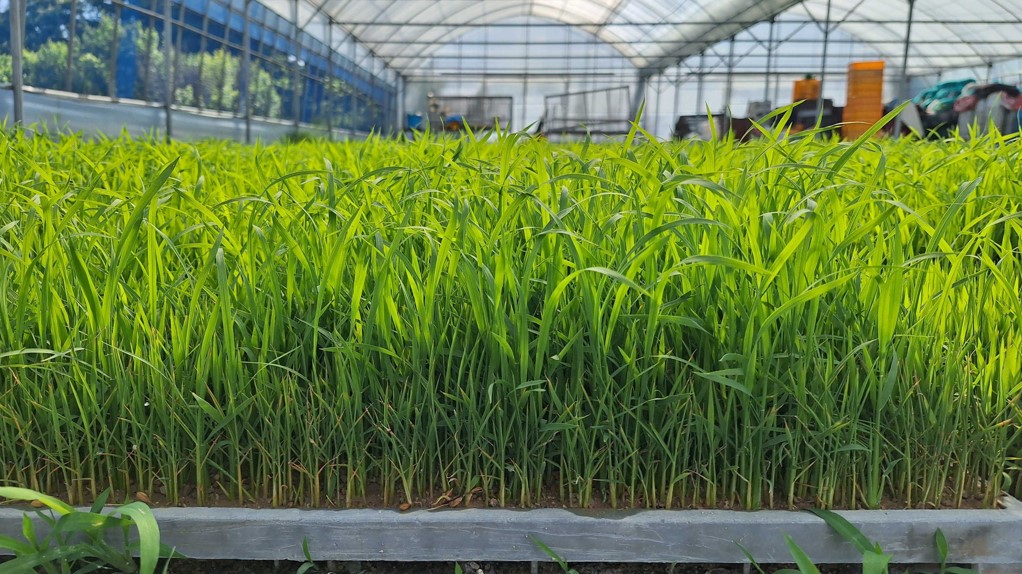
Predicting crop growth and yield spatially using remote sensing-based rice productivity models and crop growth indicators.
– Developing precision-irrigation decision-support systems that jointly consider soil-water availability and atmospheric evaporative demand.
– Evaluating how heat, drought, flooding, and disease stresses affect LAI, pod development, seed size, harvest index, and yield.
– Optimizing planting density and canopy structure while applying physiological early-warning signals for precision crop management.